

Celebrating the legacy that helped shape Washington wine
Washington State Magazine Slides, WSU Libraries’ MASC
Walter Clore Wine & Culinary Center
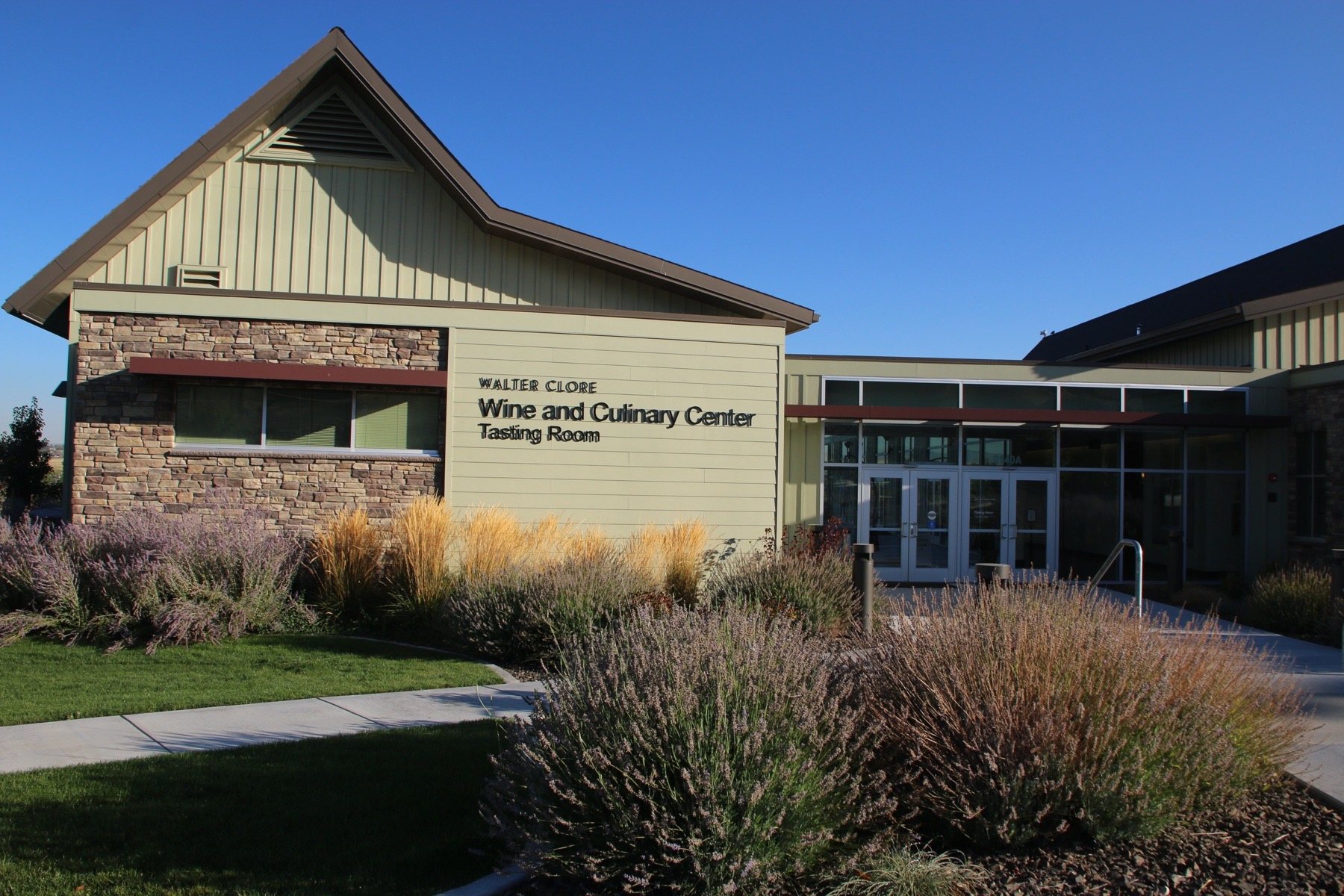
Located in Prosser, the Walter Clore Wine & Culinary Center celebrates the life and legacy of Dr. Walter Clore and the agricultural research that helped establish Washington’s premium wine industry.
The Center is an important Port of Benton agribusiness and agritourism asset, connecting visitors with the history, agriculture and partnerships that have helped make Washington wine an important part of the state’s economy and identity.
Dr. Walter J. Clore
Dr. Walter Clore’s journey to becoming a pioneer of Washington’s wine industry began far from Prosser.
Raised in Oklahoma during the Great Depression, Clore attended Oklahoma A&M College, where he studied agriculture and earned a horticulture degree in 1933. The following year, Washington State College offered him a part-time fellowship paying $500 per year. He saved for six months to make the journey from Oklahoma to Pullman.
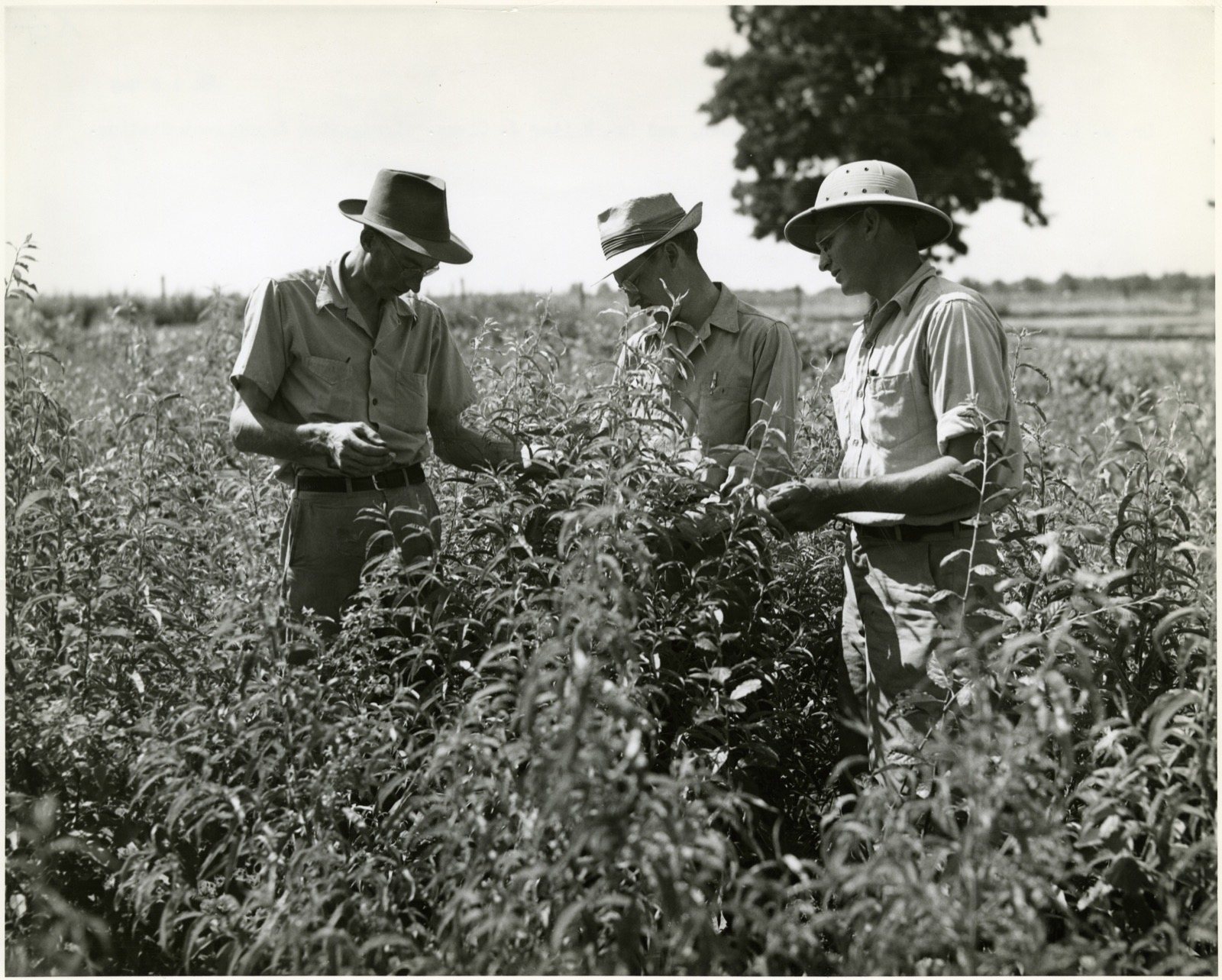
In 1937, Clore was appointed assistant horticulturist at the university’s Irrigated Agriculture Research and Extension Center in Prosser. His research included tree fruits, small fruits, and grapes.
His research would ultimately help answer an important question
Where could premium wine grapes be grown successfully in Washington?
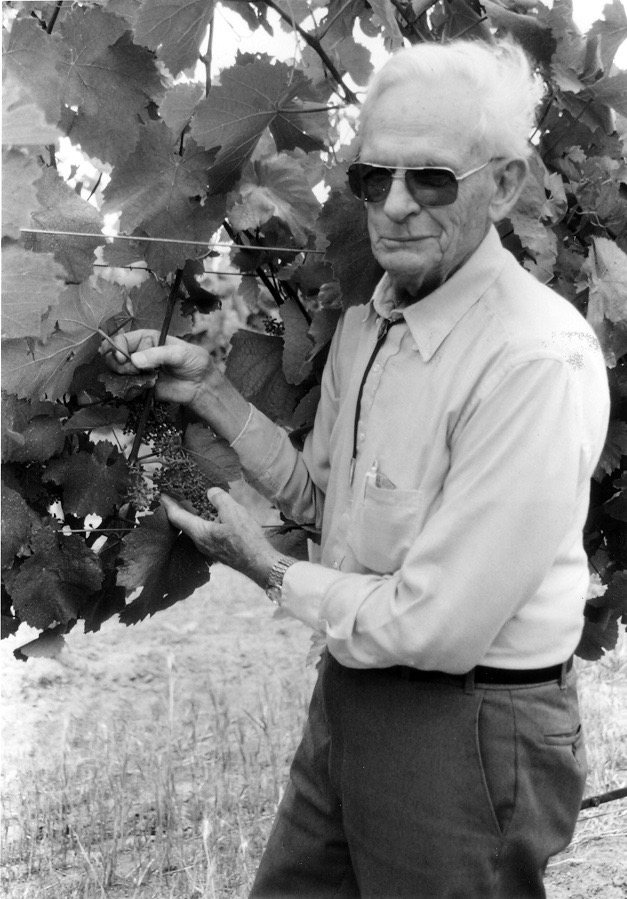
Clore planted vinifera grape varieties throughout the state and collected extensive data on their performance. Over approximately three decades, his research helped establish the foundation for Washington’s premium wine industry. He spent his career at the research center near Prosser before retiring in 1976.
In 2001, the Washington State House formally recognized Clore as the “Father of the Washington Wine Industry.” Following his death in 2003, the Washington House and Senate adopted resolutions honoring his life and accomplishments and recognizing him as the “Father of Washington Wine.”
1933
Horticulture degree, Oklahoma A&M College
1934
Fellowship at Washington State College
1937
Assistant horticulturist in Prosser
1976
Retires after a career near Prosser
2001
Recognized by the State House
2003
House and Senate resolutions
Washington wine today
The industry Dr. Clore helped cultivate has grown into a significant contributor to Washington’s agricultural economy.
According to the statistics included in the Center’s presentation materials, Washington is the nation’s second-leading premium wine producer, with more than 35,000 acres of wine grapes and more than 80 varieties produced. The state is home to nearly 1,000 wineries producing more than 9 million cases of wine and supporting more than 32,000 jobs.
Washington’s wine regions stretch across the state through 22 American Viticultural Areas, or AVAs. The industry is also characterized by small producers, with 90% of Washington wineries producing fewer than 5,000 cases annually.
1,000
wineries
300
grape growers
35,000+
acres of wine grapes
80+
wine varieties
22
American Viticultural Areas
9 million+
cases of wine produced
Credit: WashingtonWine.org
Prosser, overlooking the Yakima River
As plans developed to create a place honoring Dr. Clore’s legacy and Washington’s wine industry, the Port of Benton dedicated 16 acres overlooking the Yakima River for the Walter Clore Wine & Culinary Center in 2003.
2003
The Port of Benton dedicated 16 acres overlooking the Yakima River for the Center.
2011
Designed as an outdoor event venue, the pavilion was created to accommodate events such as wine and food gatherings, weddings, business meetings, and other large-group functions. The Pavilion is now home to Tirriddis Sparkling Wines.
2014
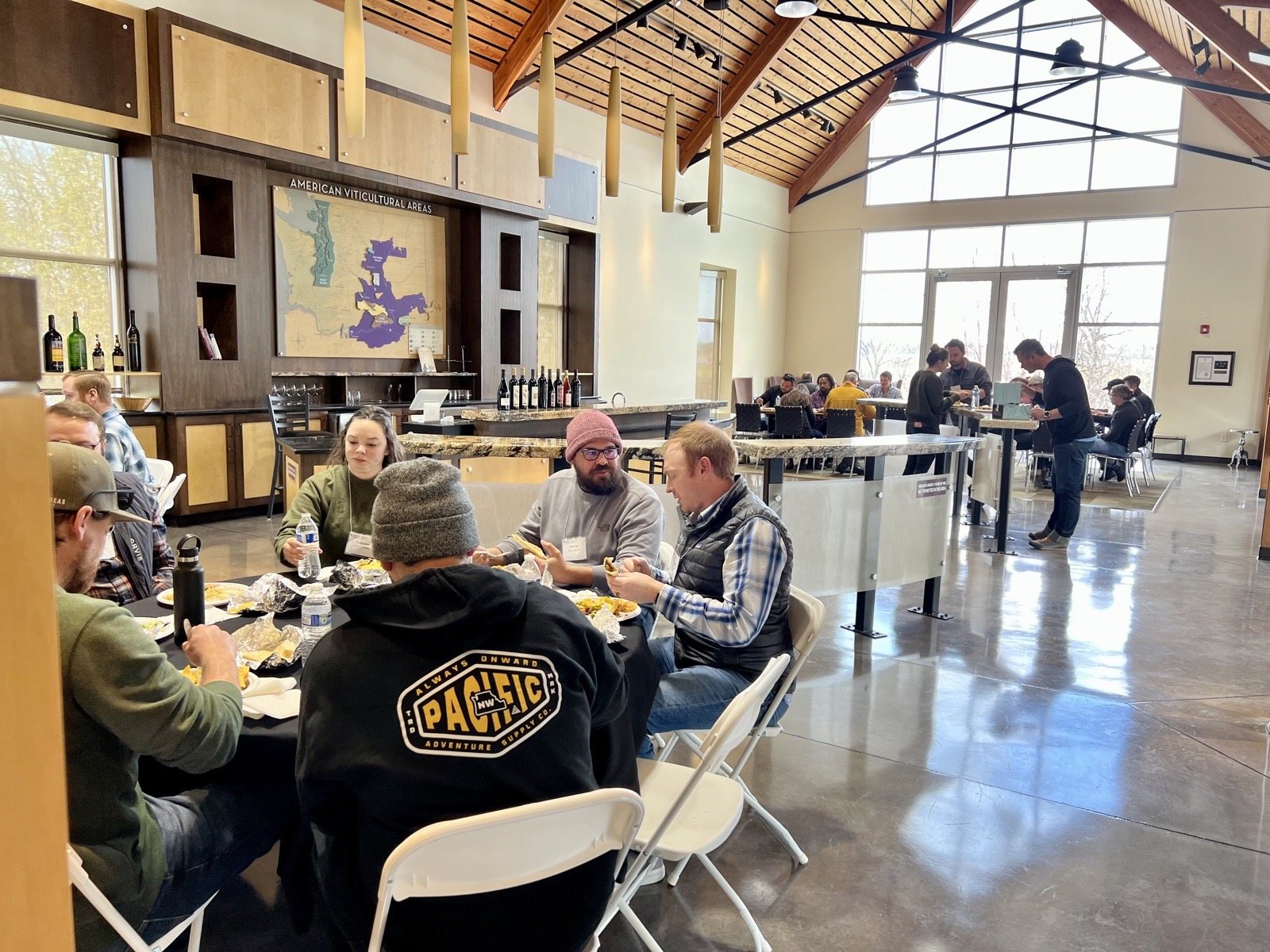
The facility was developed to showcase Washington wines through displays, tastings and educational opportunities highlighting the state’s wine culture, history and unique growing regions.
The Center has served as a place to celebrate the remarkable connection between agricultural research, entrepreneurship, and the growth of Washington’s wine industry.
The Walter Clore Center represents years of collaboration and investment in Prosser and Washington’s wine industry.
Its development brought together the Port of Benton, State of Washington, Prosser Economic Development Association, Clore Board of Directors and private-sector partners. Funding identified in the historical presentation of materials included state and federal grants, Benton County, Port of Benton, and private investments.
That partnership created a facility dedicated not only to Dr. Clore’s legacy but also to agriculture, education, tourism and economic development in the Prosser community.
The Walter Clore Wine & Culinary Center reflects the Port of Benton’s investment in agribusiness and agritourism and its connection to Prosser’s agricultural heritage.
From the research conducted by Dr. Clore in Prosser to the development of a statewide premium wine industry, the Center helps preserve an important part of Washington’s agricultural story while recognizing the partnerships that helped make that growth possible.
Visit Prosser
The story of Washington wine is rooted in research, agriculture, innovation and collaboration, and much of that story leads back to Prosser.
The Walter Clore Wine & Culinary Center provides a lasting connection to Dr. Clore’s work and the people, partnerships and agricultural innovation that helped turn his pioneering research into an industry with a statewide impact.